What you need to know
⚡ Ofgem's energy price cap will rise by 13% from 1 July 2026 The new cap takes the typical dual-fuel direct-debit household bill from £1,641 to £1,862 a year, according to Ofgem's press release of 27 May 2026, an increase of £221 over the year. The cap runs from 1 July to 30 September 2026, with the next quarterly figure published by 26 August.
💷 The rise is heavier on gas than on electricity Under the new cap, electricity rises by about 5% and gas by about 24%, attributed by Ofgem to wholesale gas prices linked to the ongoing conflict in the Middle East. If your home uses mainly gas for heating and hot water, that's where most of the increase lands.
🔁 Fixing your tariff can sidestep the rise MoneySavingExpert's 27 May 2026 piece by Martin Lewis explains how fixing an energy tariff at the right price can avoid the cap rise. The best fixes change quickly and depend on your supplier, region and usage, so the comparison is worth running near a decision point.
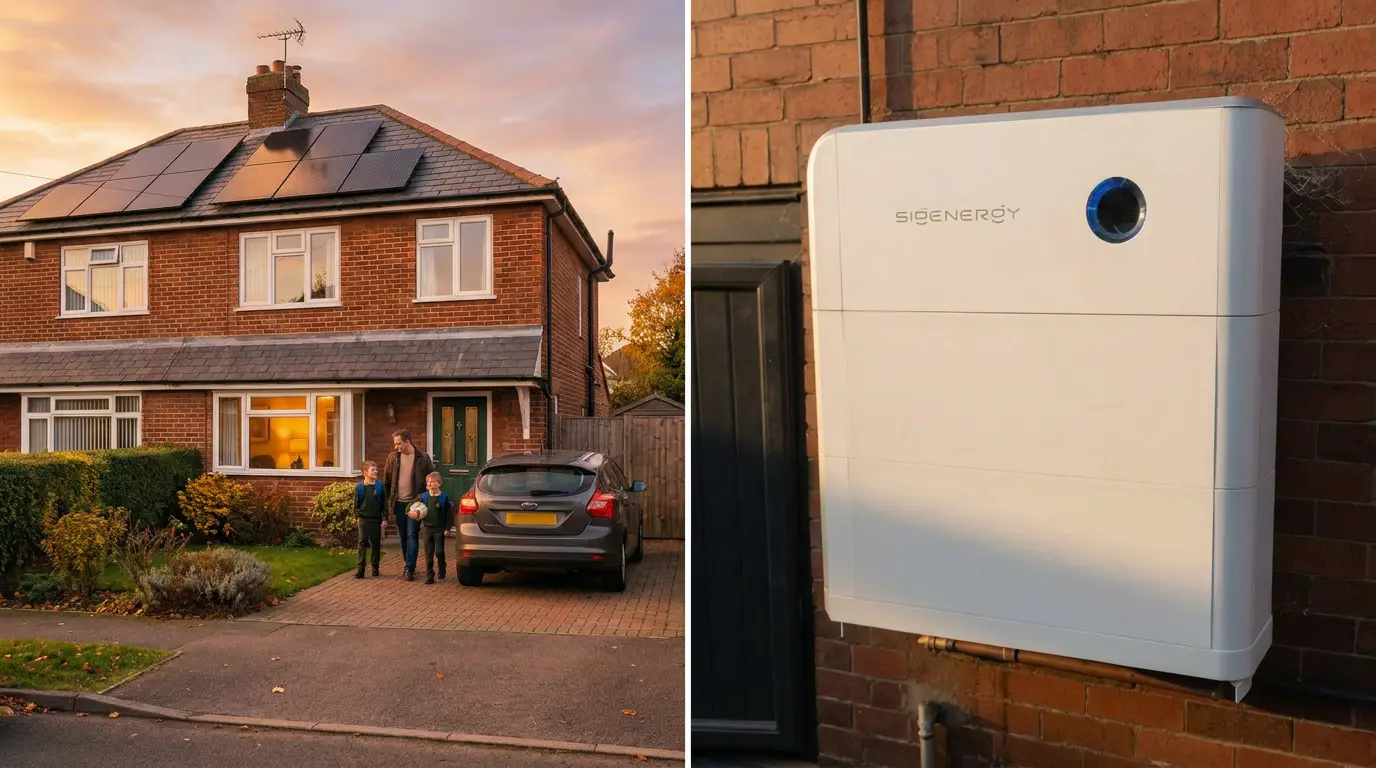
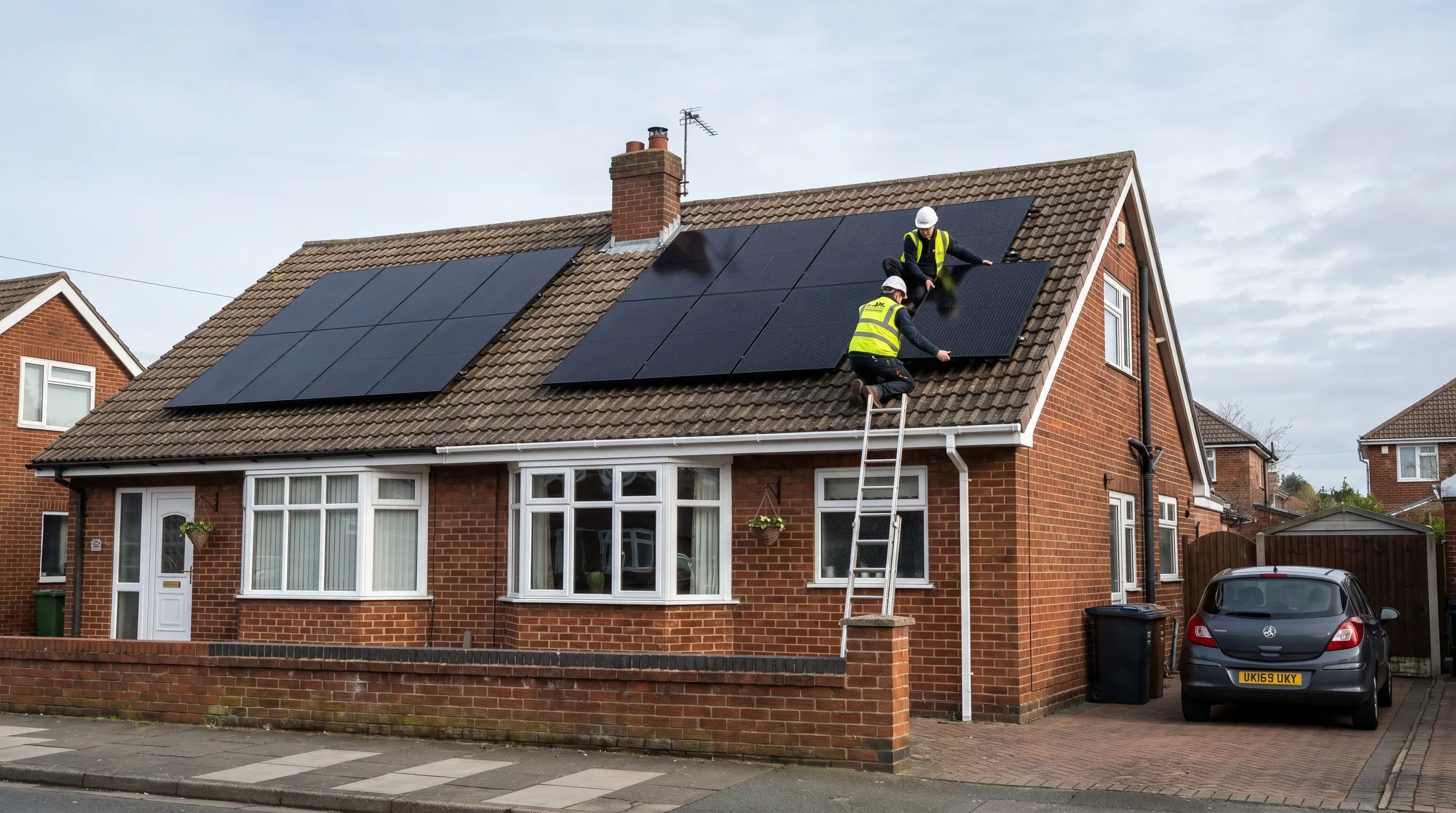
☀️ Self-generation is one option, not the only one For UK homeowners who own their roof, generating some of their own electricity is one of the levers available. Whether it makes sense depends on the roof, the household's usage pattern, the tariff, and whether a battery would sit alongside the panels.
🗓️ The next cap is announced by 26 August 2026 That's when Ofgem confirms the cap for 1 October to 31 December 2026. Anything you decide now is worth deciding with the next change in mind, not just this one.
Energy bills have been a bigger share of UK household budgets since 2022, and another cap announcement this summer changes the picture again. On 27 May 2026, Ofgem confirmed that the energy price cap for 1 July to 30 September 2026 will rise by 13%, taking a typical dual-fuel direct-debit bill to £1,862 a year. The Guardian and BBC News covered the change the same week, with both noting that wholesale gas prices linked to the ongoing Middle East conflict are the main driver.
Below, we'll explain what the new cap actually changes for a typical UK home, why the rise is happening, and four areas you might want to look at before the new rate lands.
If you'd like to find out how much a solar & battery system could save you on your electricity bills, answer a few questions below and we'll provide an estimate for you.
What's changing on 1 July 2026
Ofgem's new cap, confirmed on 27 May 2026, runs from 1 July to 30 September 2026. The typical dual-fuel direct-debit household, the benchmark Ofgem uses for headline figures, will pay £1,862 a year on average, up from £1,641. That's a £221 yearly increase, or about 13% on the headline bill.
The cap is a price ceiling on the unit rate and standing charge an energy supplier can charge a standard-variable customer. It isn't a cap on the total bill itself: if a household uses more energy than the benchmark, it pays more; if it uses less, it pays less.
The figure of £1,862 is an annual average based on Ofgem's typical-consumption benchmark. Your actual bill will depend on how much electricity and gas your home uses, what tariff you're on, and where you live.
Why the cap is going up
Ofgem attributes the rise to wholesale gas prices, which moved up over the spring against the backdrop of the ongoing conflict in the Middle East. Wholesale gas affects UK electricity prices too, because gas-fired power stations often set the price across the wider grid.
The Guardian reported on 27 May 2026 that this is the same wholesale-gas dynamic that has driven cap volatility since 2022: different events, same underlying mechanism. BBC News covered the announcement the following day with broadly the same framing.
Two implications follow. First, the rise is uneven across fuel types: gas is up roughly 24% and electricity about 5%, according to Ofgem. Second, the cap isn't fixed. The next quarterly figure is published by 26 August 2026 and could move either way, depending on what wholesale prices do over the summer.
What this means for a typical UK home
For a household on the benchmark dual-fuel direct-debit setup, the £221 annual increase translates to roughly £18 extra per month on average across the year, before any winter weighting.
The split between gas and electricity matters for households differently. A home that heats with mains gas and uses a moderate amount of electricity will see most of the rise on the gas side. A home that uses electricity for heating, hot water, or an EV will see a smaller percentage increase but possibly a larger absolute one, depending on usage.
This isn't a fixed bill for every UK home. It depends on the property, the heating fuel, the tariff, and how the household actually uses energy. The headline number is a national average, useful for comparison but not a prediction for any single household.
Four things to look at before the rise lands
There's no single right move for every UK home this summer, but the recent reporting points to four useful areas.
1. Check whether a fix beats the new cap. MoneySavingExpert's 27 May 2026 piece sets out the maths: broadly, a fix priced clearly below the new cap can be worth a switch. Available fixes change weekly, so the comparison is worth running near a decision point rather than weeks ahead.
2. Know which fuel matters most for your home. Because gas is rising about 24% under the new cap and electricity about 5%, the headline rise is felt very differently by mainly-gas homes versus mainly-electric homes. Knowing your own balance helps you compare options sensibly.
3. Look at how your home uses electricity through the day. Solar generation, smart appliance scheduling, and time-of-use tariffs all build on the same idea: shifting electricity demand toward cheaper times, or generating it yourself. None of those changes guarantee a fixed saving, but they're the levers most under a homeowner's control.
4. Treat self-generation as a property-by-property question. Solar with or without battery storage is one of several options. Whether it makes sense depends on roof orientation, shading, usage pattern, and how you'd actually use any stored or exported electricity. There's no "average UK saving" that holds for every home, only ranges, which we've covered separately.
Summary
The 1 July 2026 cap takes the typical UK dual-fuel bill from £1,641 to £1,862 a year, with most of the rise sitting on the gas side. The mechanism is wholesale gas prices, the announcement is Ofgem's, and the next quarterly cap is published by 26 August. None of that lands the same way for every UK home, but it does point homeowners toward a small number of useful checks: the tariff, the fuel mix, the daytime electricity usage, and whether self-generation fits the property.
If you'd like to find out how much a solar & battery system could save you on your electricity bills, answer a few questions below and we'll provide an estimate for you.
July 2026 cap rise: FAQs
How much is the energy price cap rising in July 2026?
Ofgem confirmed on 27 May 2026 that the cap will rise by 13% from 1 July, taking a typical dual-fuel direct-debit household bill to £1,862 a year on average, up £221 from £1,641. The cap runs to 30 September 2026.
Is the rise the same for gas and electricity?
No. Under the new cap, electricity rises by about 5% and gas by about 24%, according to Ofgem. The split means homes that heat mainly with gas feel more of the rise than homes that heat with electricity, in percentage terms.
Can I avoid the price cap rise?
Fixing an energy tariff is one option, depending on the prices on offer. MoneySavingExpert covered this on 27 May 2026 when the cap was confirmed. Whether a fix actually beats the new cap depends on the fix's unit rates and standing charge, and on your supplier and usage.
When is the next cap announced?
The cap that covers 1 October to 31 December 2026 is published by 26 August 2026, according to Ofgem's published cap calendar.
Do solar panels protect me from the price cap?
Solar can offset some of your grid electricity use, which reduces the share of your bill exposed to the cap on that fuel. How much it offsets depends on the size of the system, the roof, shading, and how much electricity the home uses during daylight hours, so it's a property-by-property question rather than a uniform number.
Sources
Ofgem press release: "Energy price cap will rise by 13% from July", 27 May 2026.
The Guardian: "Energy price cap in Great Britain to rise by 13% from July", 27 May 2026.
BBC News: coverage of the July 2026 cap announcement, 28 May 2026.
MoneySavingExpert: Martin Lewis coverage of the July 2026 cap, 27 May 2026.